
Our technologies
Detect by heat, suppress with condensed aerosol
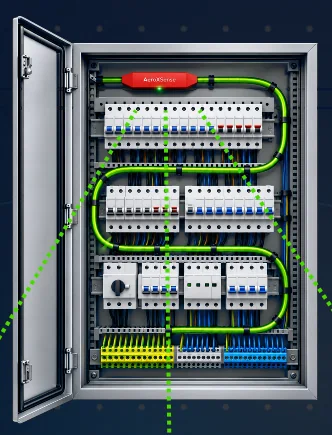
A heat-sensitive cable placed above the equipment detects the heat of a starting fire and triggers the generator. The condensed aerosol spreads through the enclosure and interrupts the chemical reaction of combustion.
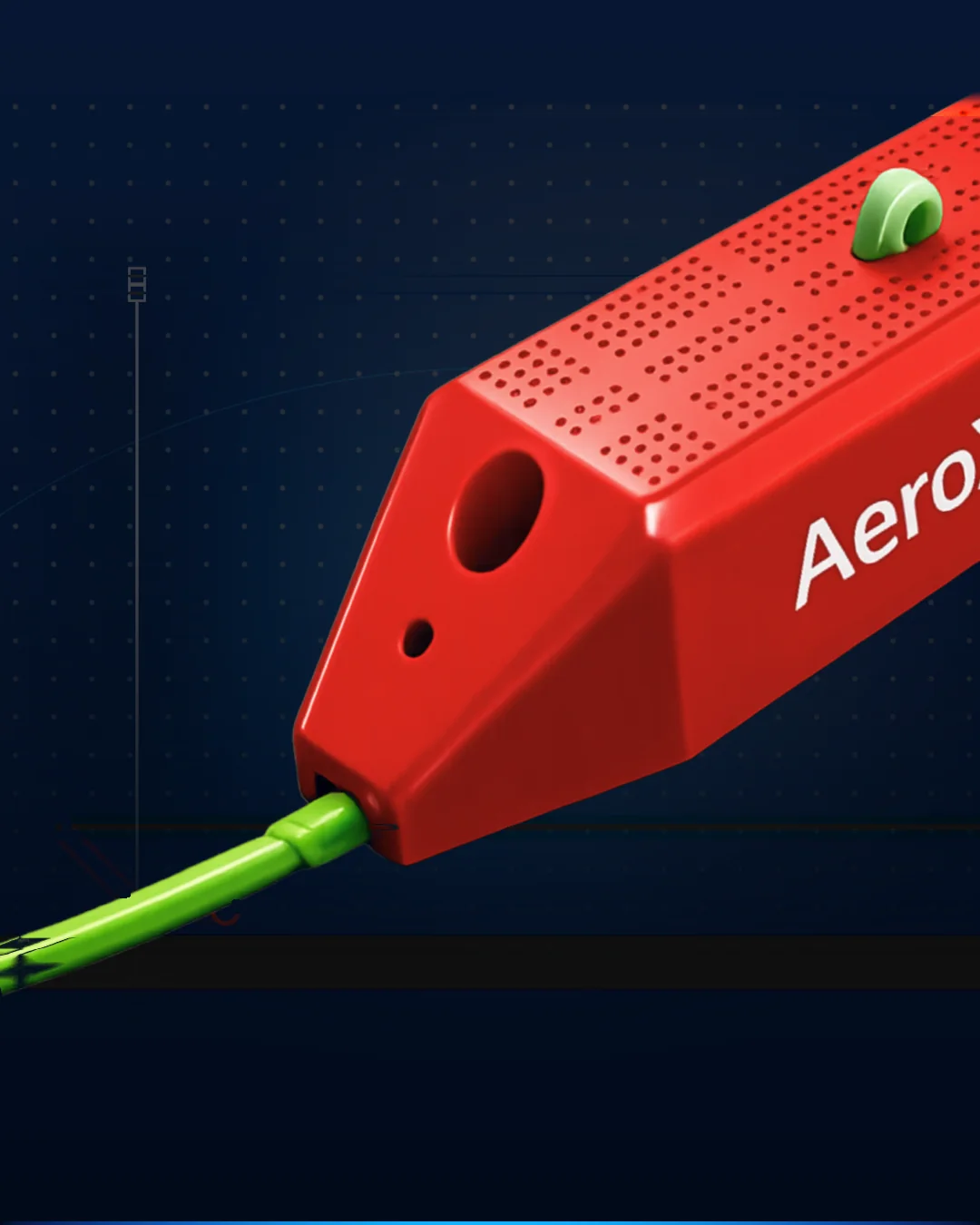
How does it work?
6 steps, from fire outbreak to replacement
-
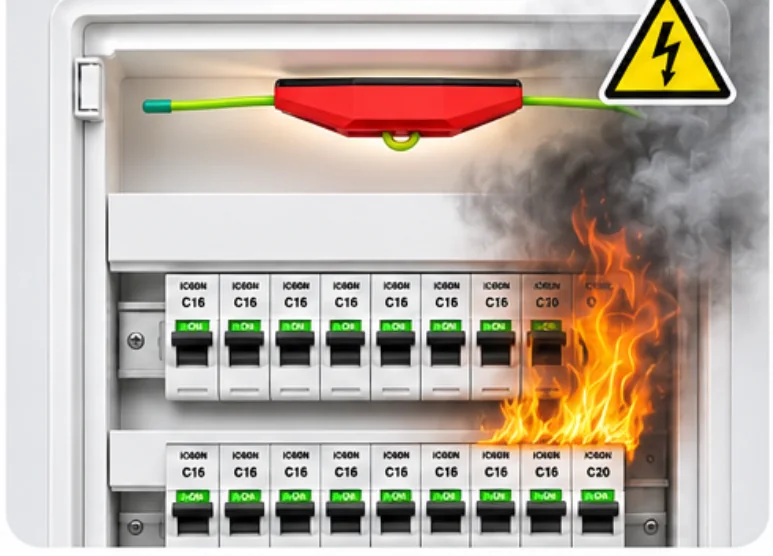
Step 1 – Fire outbreak
Overheating or a short circuit in a piece of electrical equipment.
-
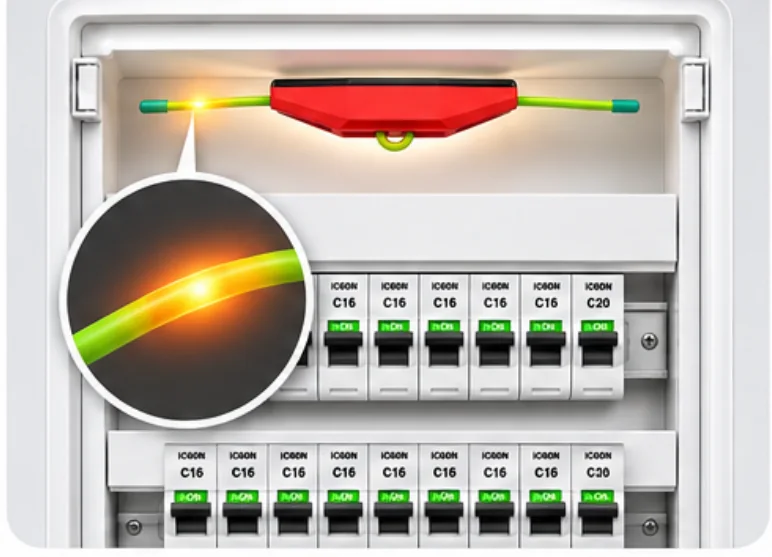
Step 2 – Cable detection
The heat of the starting fire is detected by the heat-sensitive cable.
-
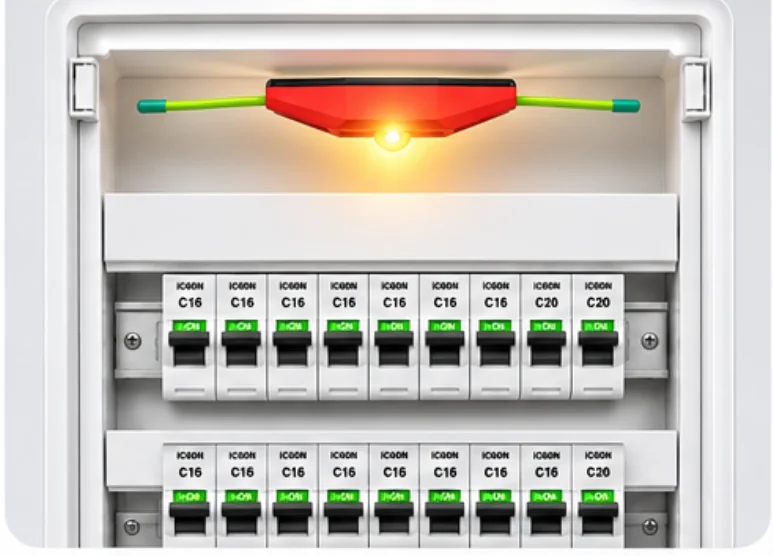
Step 3 – Activation
The cable automatically triggers the aerosol generator.
-
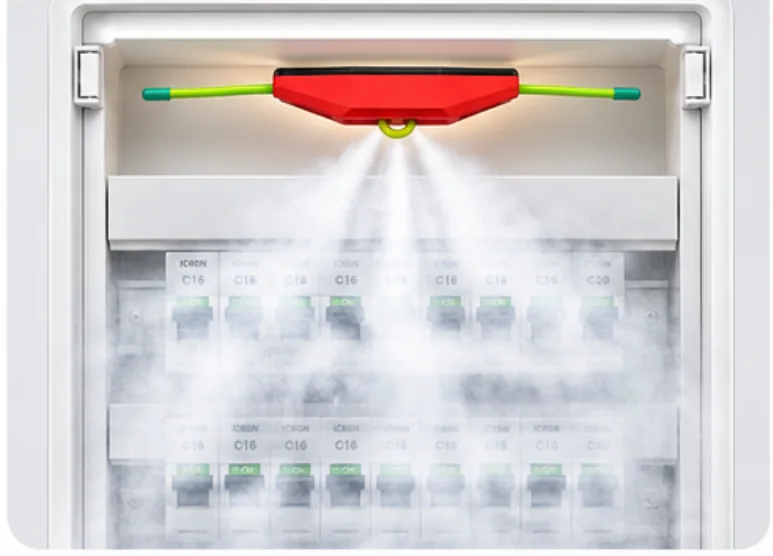
Step 4 – Aerosol release
The condensed aerosol spreads throughout the enclosure and puts out the fire within seconds.
-
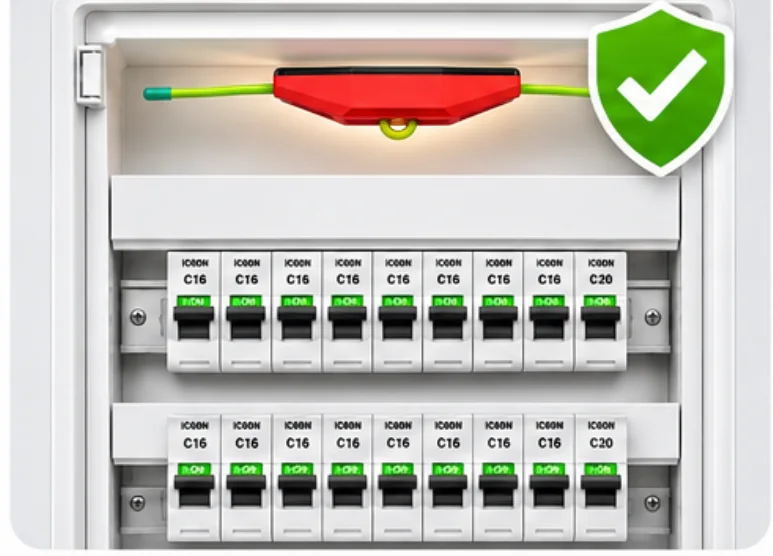
Step 5 – Enclosure protected
The fire is under control: it stops spreading and the equipment is preserved.
-
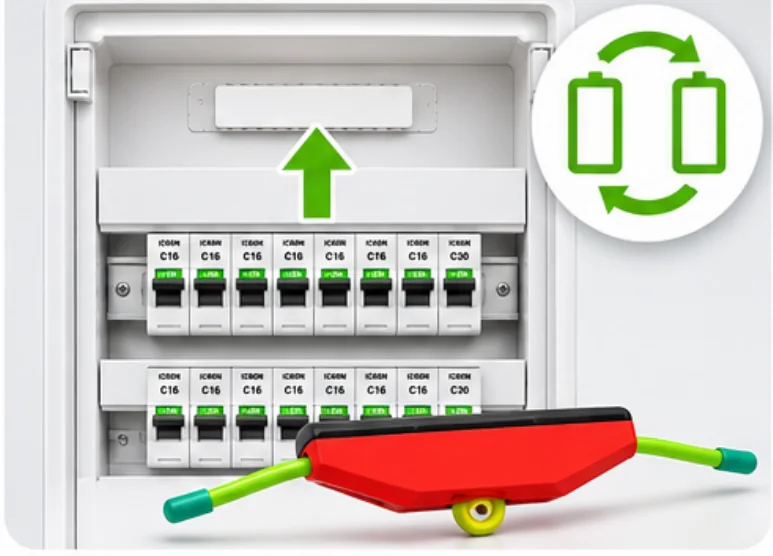
Step 6 – Replacement
After the incident, replace the device to stay protected.
Principle
How condensed aerosol suppression works
Condensed aerosol puts out the fire by inhibiting the chemical chain reaction of combustion, neutralising the free radicals.
-
The generator releases the aerosol
Potassium and strontium particles disperse throughout the volume.
-
The fire sustains its combustion
Oxygen, fuel, heat and free radicals sustain the chain reaction.
-
Chain reaction interrupted
Active aerosol, free radicals inhibited and chain reaction interrupted.
-
Fire neutralised
The combustion reaction can no longer sustain itself.
Key
- Potassium
- Strontium
- Oxygen
- Heat
- Fuel
- Free radicals
Simplified diagram.
Correct detection
Detection above the risk, not beside it
Cable installation rules
- Cover the full width of the modules to be protected
- Cable stretched taut, with no loops and no crossings
- Positioned 2 to 3 cm above the terminal blocks
Protected detection zone(full width of the modules)
No detection cable= unprotected zones
A detection cable across the full width for effective protection
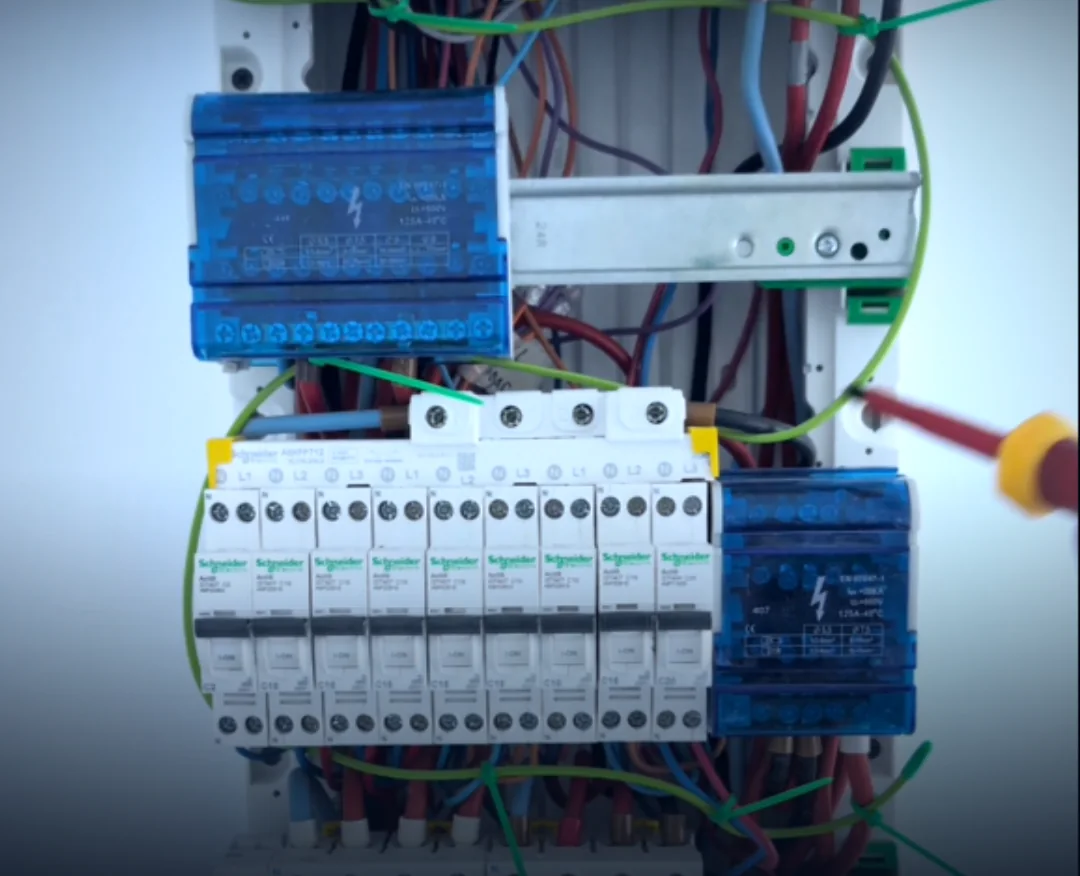
The cable is held by cable ties so that it stays taut above the equipment. For longer runs, it can be extended with the manufacturer’s connection accessories.
Accessories
Connecting and fixing the detection cable
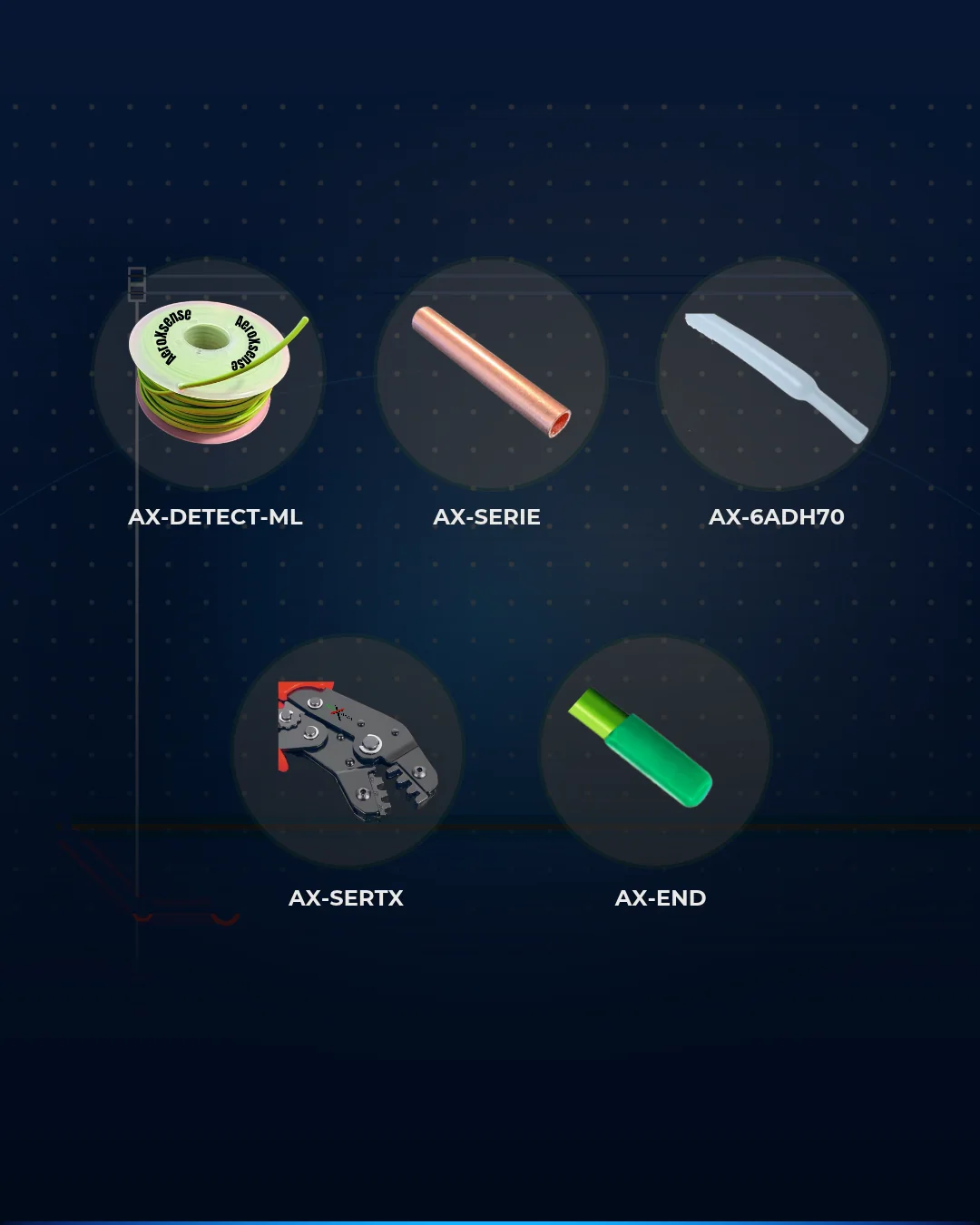
To extend the detection cable and achieve a neat installation, the manufacturer offers a range of accessories: detection cable on a reel, connection sleeves, heat-shrink tubing, crimping tool, cable ties and end-of-line cap (AX-END).
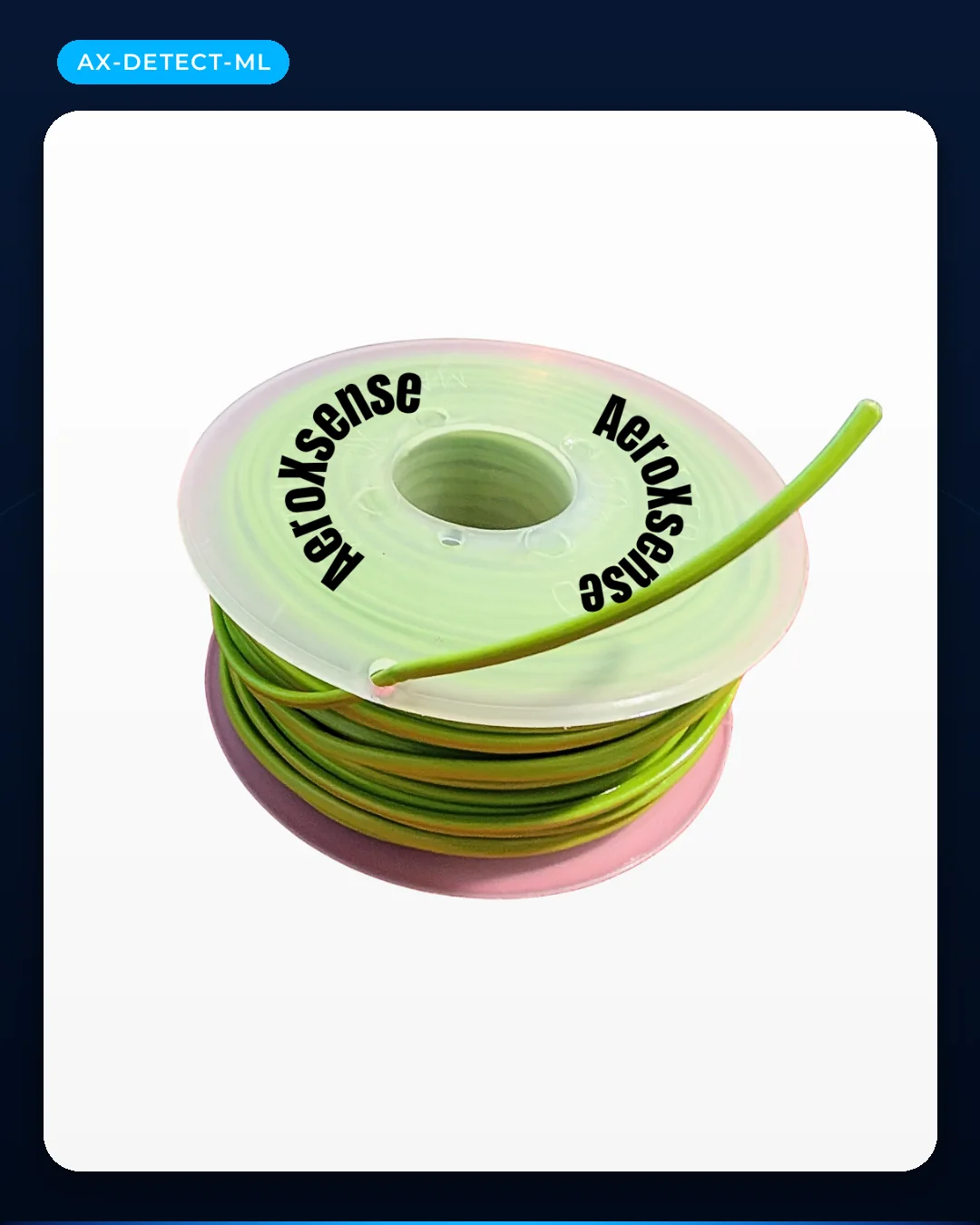
AX-DETECT-MLAX-DETECT-ML: heat-sensitive detection cable on a reel, to extend detection as close as possible to the risk. 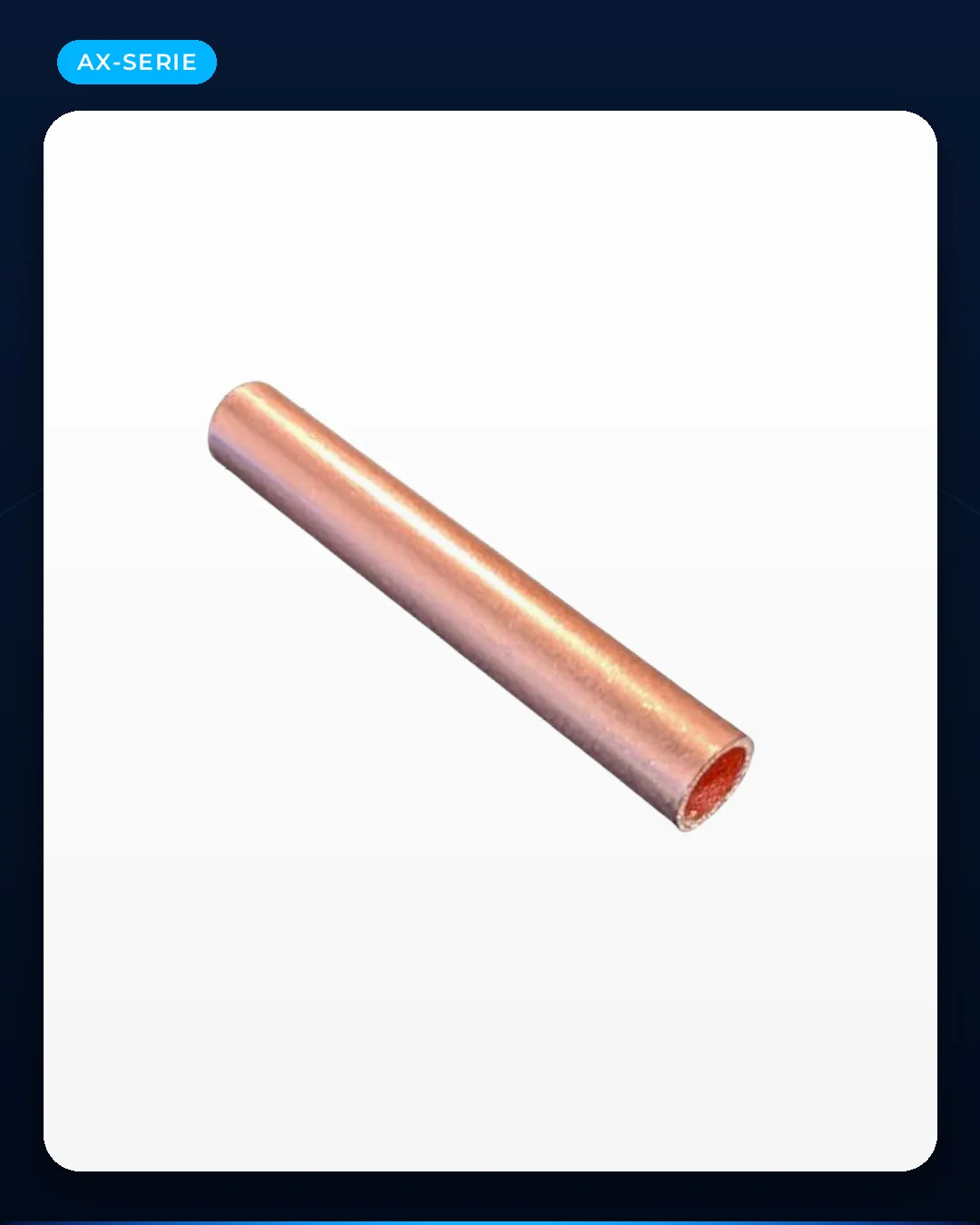
AX-SERIEAX-SERIE: copper crimp sleeve to connect the detection cable and wire devices in series. 
AX-6ADH70AX-6ADH70: heat-shrink tubing to protect the detection cable joints. 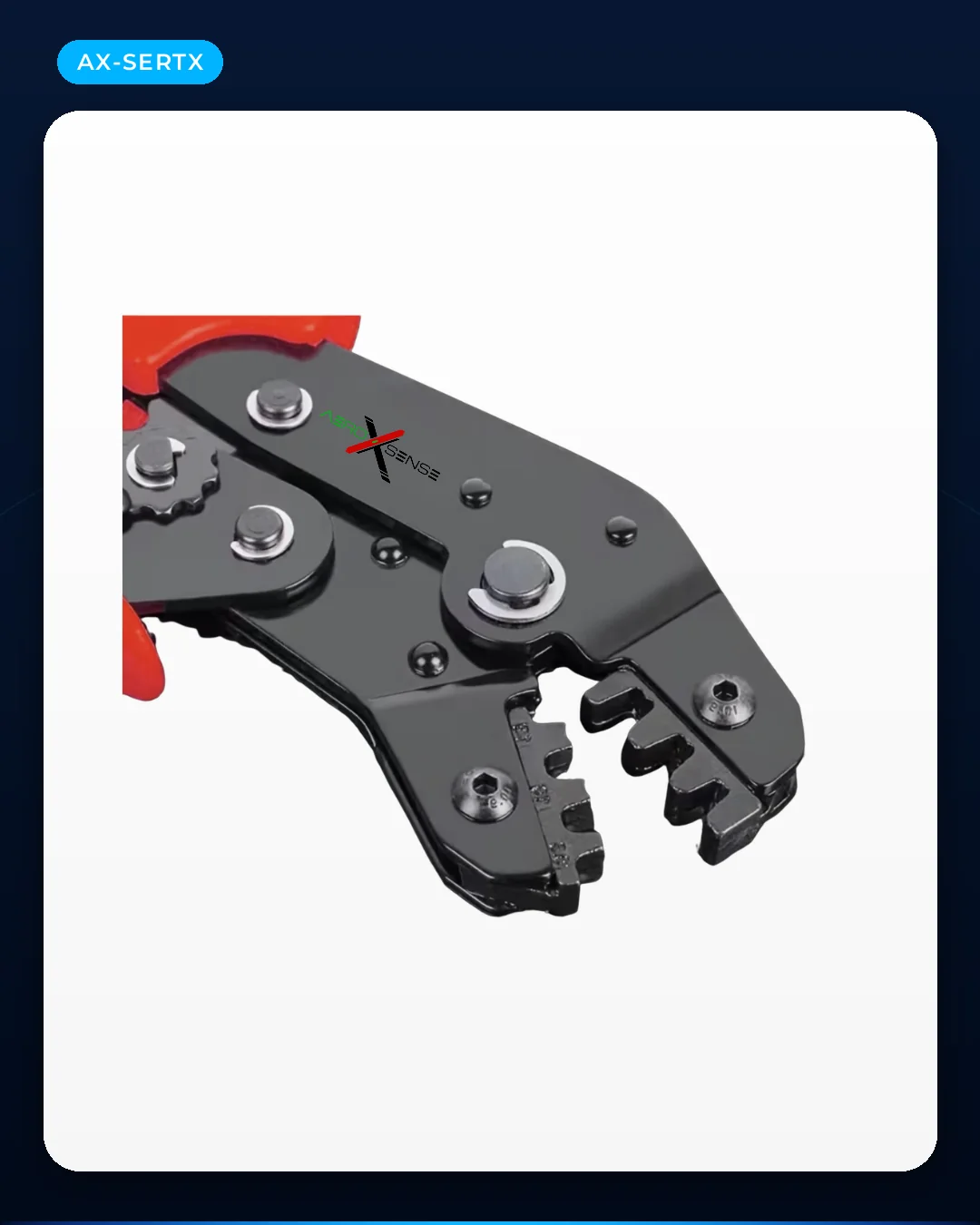
AX-SERTXAX-SERTX: crimping tool for the AX-SERIE sleeves of the detection cable. 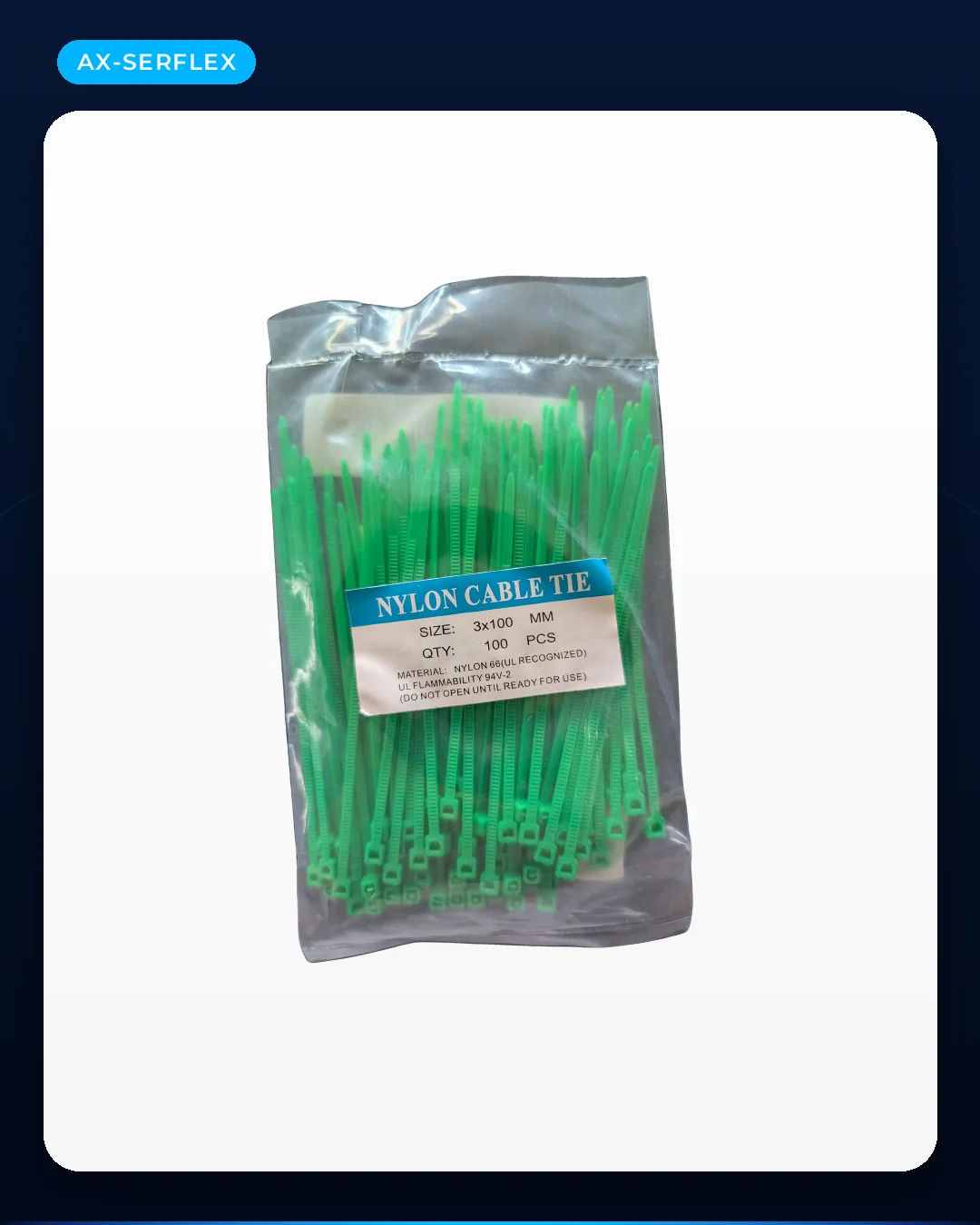
AX-SERFLEXAX-SERFLEX: bag of 100 nylon cable ties, 3 × 100 mm, to fix the detection cable.
Monitoring & reporting
Activation reported remotely
- Audible alarm
- Power cut-off
- Status reporting
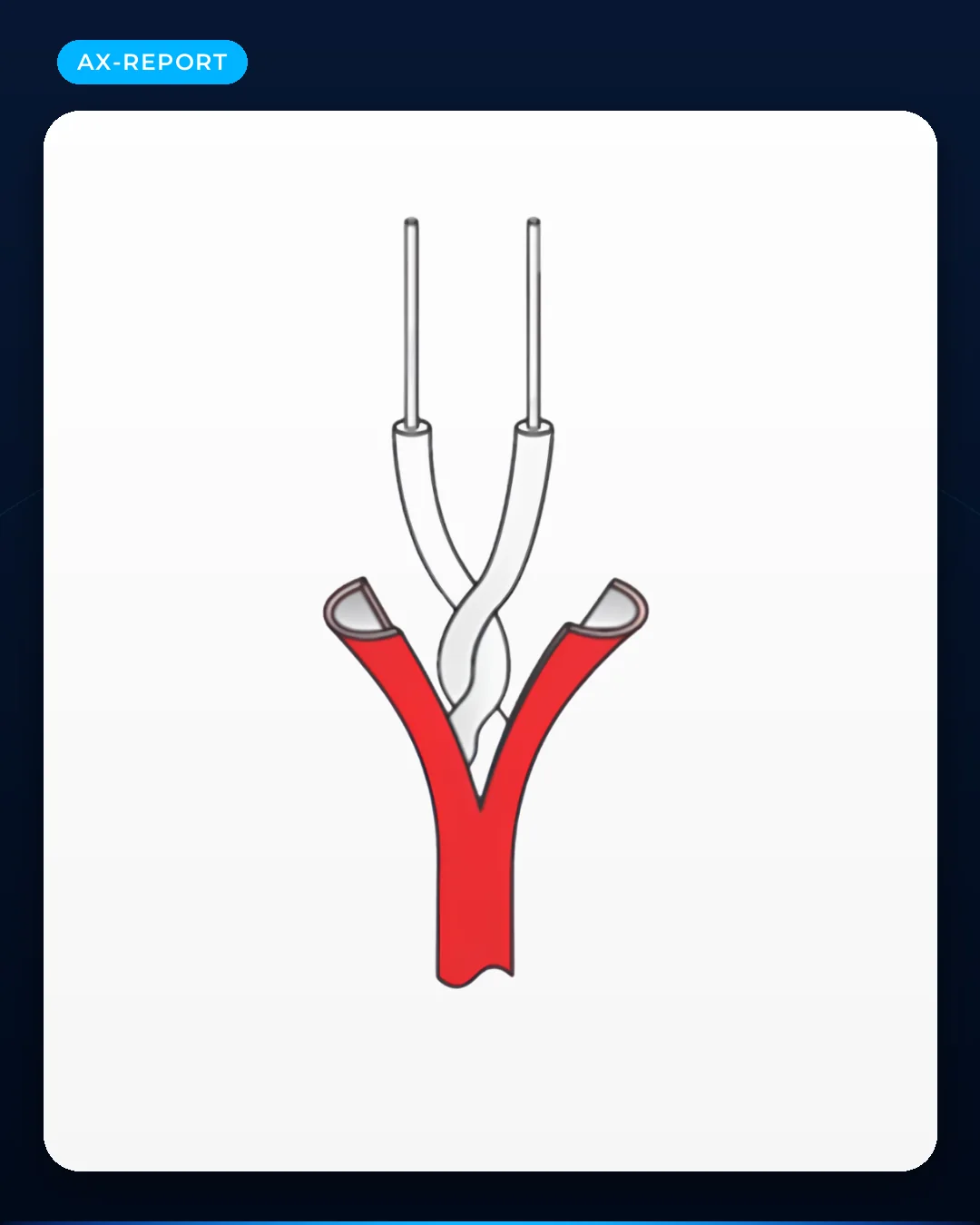
AX-REPORT: AX-REPORT: reporting cable to signal an alarm remotely.
After activation
After activation: 5 things to do
What to do after the device has activated
-
Wait 15 min
-
Switch off the power
-
Ventilate
-
Clean
-
Replace the device
Wait 15 minutes before doing anything, then switch off the power, ventilate, clean and replace the device.
Compliance
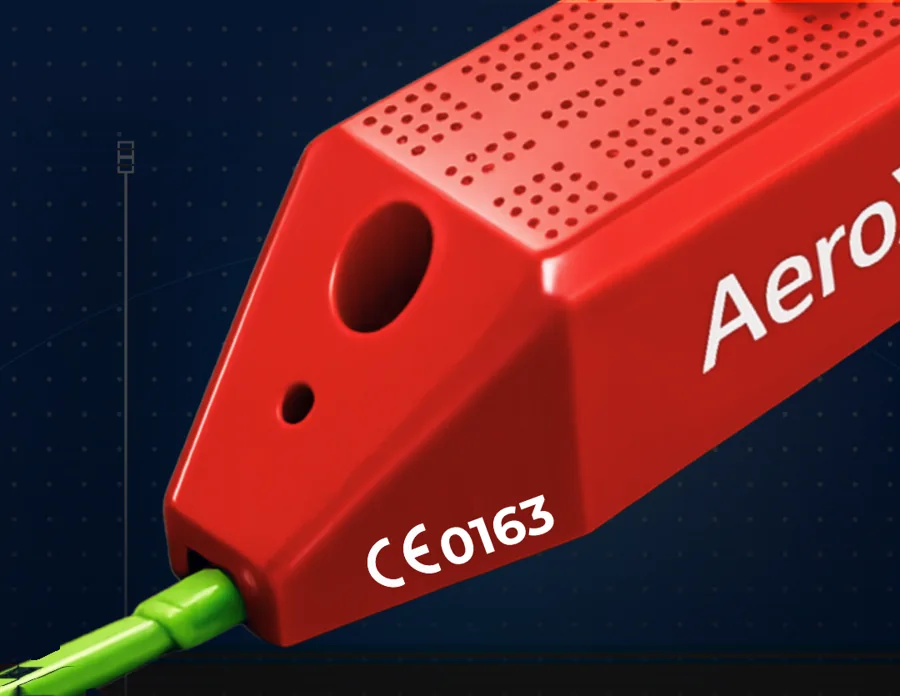
CE marking 0163‑P1‑6308
Directive 2013/29/EU
Find out more